
Cart
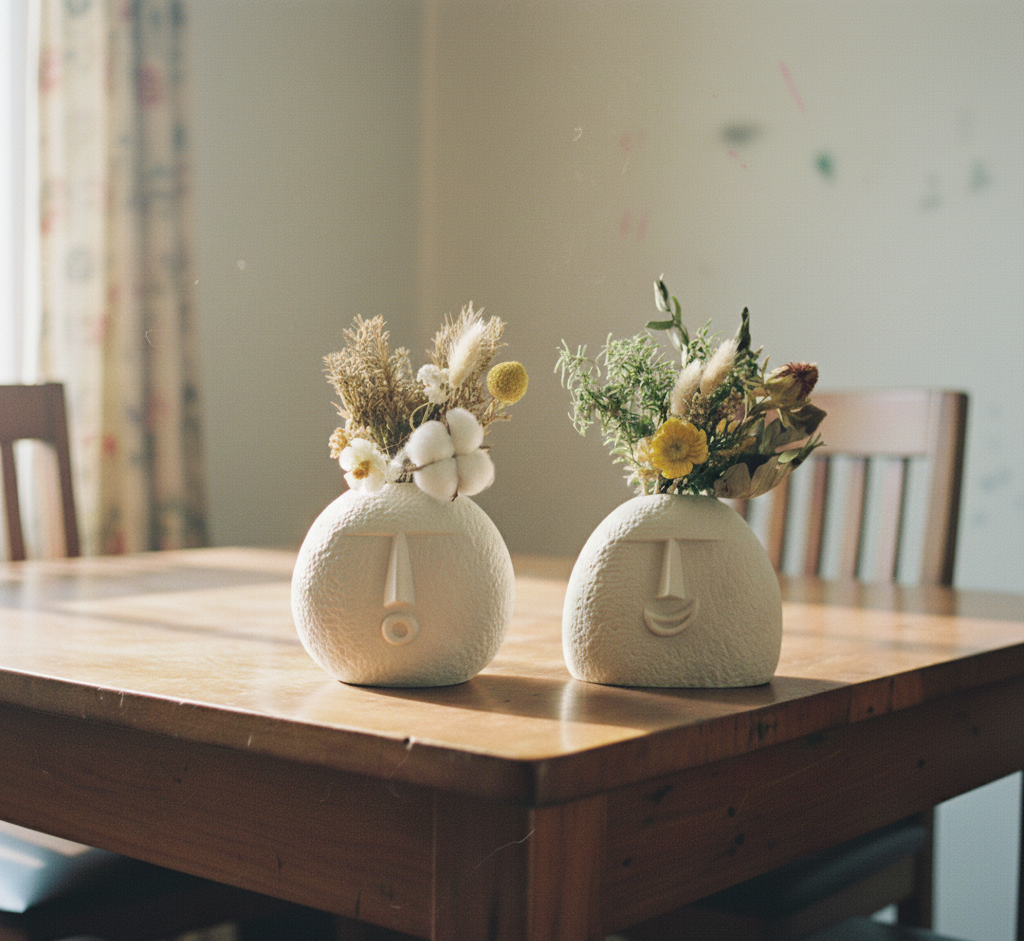
Tired of scrolling through Pinterest and sighing at those dreamy European interiors while your living room looks more "chaotic garage sale" than "Parisian apartment"? Well, grab your beret and a cup of tea, because we're about to transform your home into a European-inspired haven that'll have your friends wondering when you inherited that fancy European relative (spoiler alert: you didn't)!
European style isn't just about fancy furniture and expensive art (though let's be honest, those don't hurt). It's about creating spaces that feel lived-in yet elegant, like they've evolved naturally over generations—even if you just moved in last Tuesday. Add subtle charm with Abstract Showpieces for European-style living spaces that evoke a collected-over-time feel with minimal effort.

Want to feel like you're vacationing in Italy even when you're just folding laundry? Mediterranean-inspired rooms bring warmth through terracotta tiles, vibrant blues, and sunny yellows. Think rustic wooden beams, whitewashed walls, and enough potted herbs to make your kitchen smell like a Sicilian grandmother's. To fully bring this sunshine indoors, consider Ceramic Vases for Mediterranean décor accents ideal for kitchen shelves and window sills.
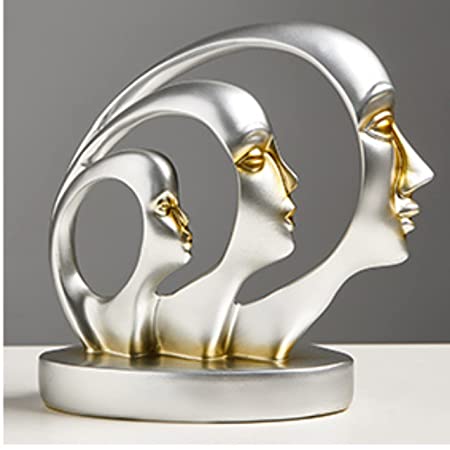
French country style is like that friend who looks effortlessly put-together even when they've just rolled out of bed. Combine distressed furniture, soft linens, and muted pastels for that "I inherited this from my aristocratic great-aunt" vibe. Add some toile patterns, a chandelier that's seen better days (intentionally), and voilà! Elevate this charm with Modern statues for French Country ambiance that gently nestle into shelf nooks or coffee tables.
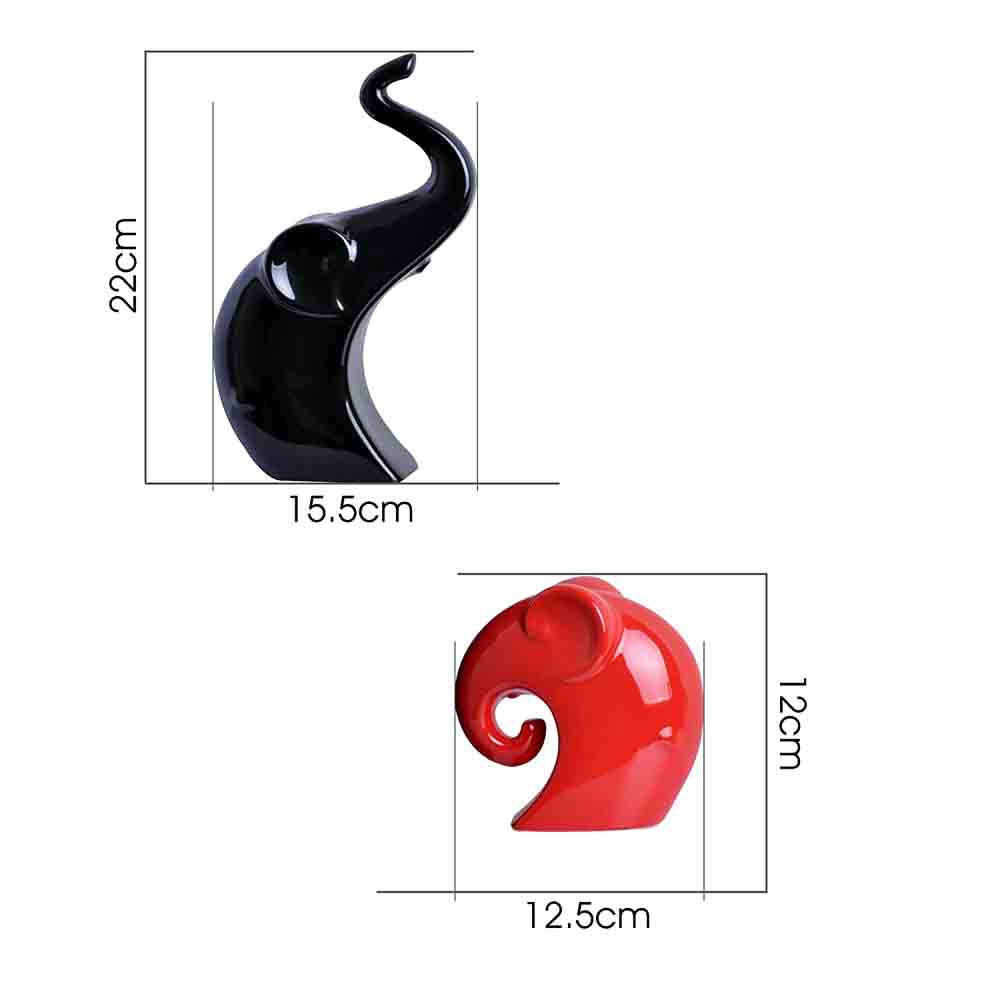
Contrary to popular belief, Scandinavian design isn't just assembling IKEA furniture while questioning your life choices! This style celebrates minimalism with warm touches—think clean lines, neutral colors, and enough natural light to make your plants throw a party. Add charm with Small decorative showpieces for Scandinavian-style corners to give your side table or windowsill a serene, clean accent.

If your idea of heaven involves tea, scones, and enough floral patterns to make a garden jealous, English cottage style is calling your name. Mix those florals with stripes (yes, really!), add some overstuffed furniture that practically begs you to curl up with a book, and don't forget the knickknacks that tell stories nobody remembers. Enhance that vintage aura with Artistic wall decor for English Cottage vibes added to cozy nooks and walls behind cushy armchairs.
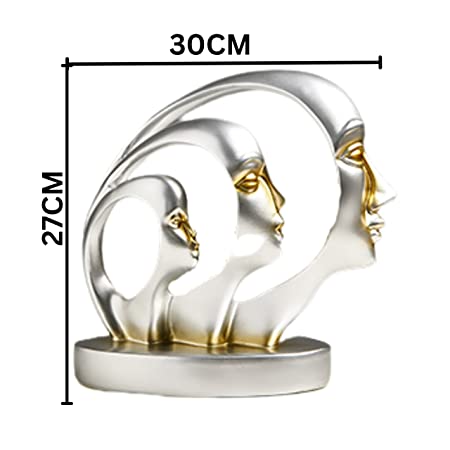
Spanish-inspired interiors are like that friend who always makes an entrance—bold, dramatic, but somehow still warm and welcoming. Embrace dark woods, wrought iron accents, and arched doorways that make even a trip to the bathroom feel like an event. Introduce Tall dramatic showpieces for Spanish Revival spaces on hallway tables or corner displays for that touch of historical drama.
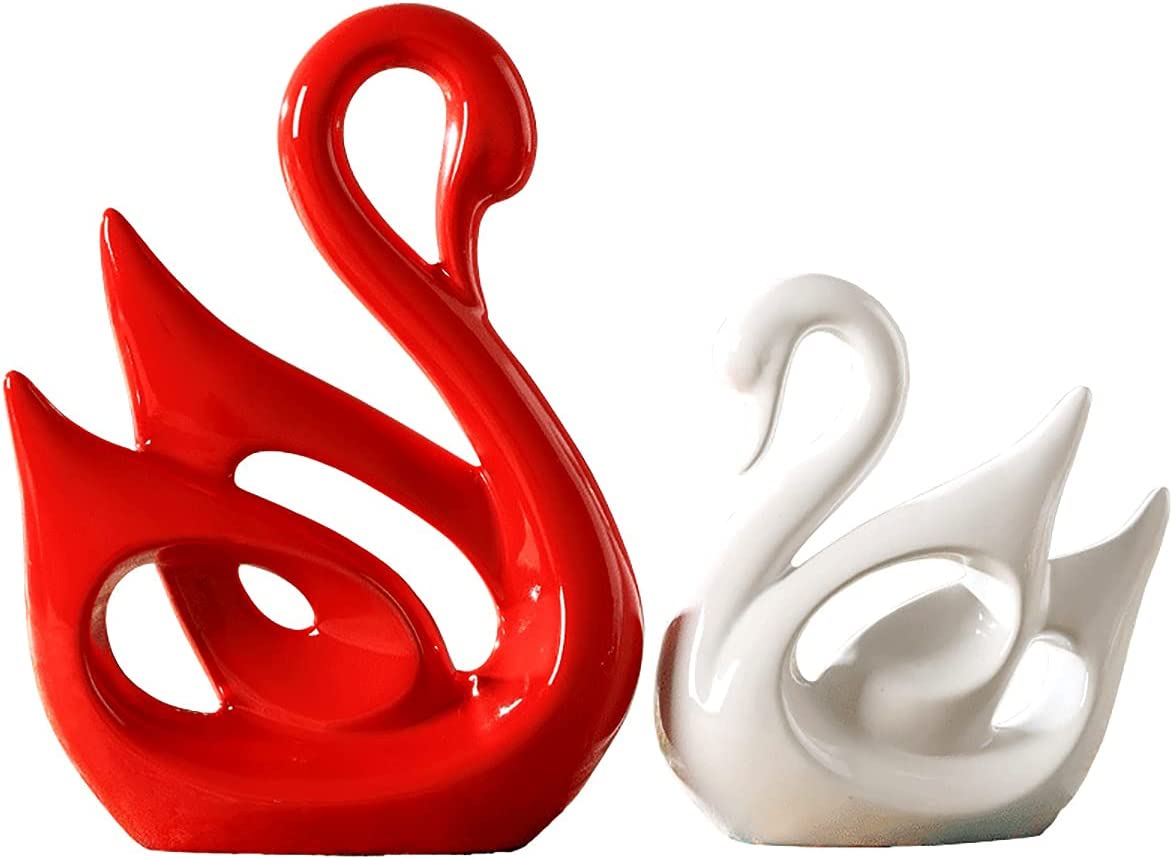
You don't need a Medici fortune to capture Italian Renaissance style (though it certainly wouldn't hurt). Focus on symmetry, rich colors, and furniture that looks like it should be roped off in a museum. One ornate mirror, a velvet chair, and some classical artwork prints, and suddenly your takeout dinner feels like a banquet in Florence. Add the final touch with Classical design figurines for Italian Renaissance interiors that serve as focal points without overwhelming the space.

If your friends describe you as "practical with occasional bursts of unexplained enthusiasm," German Bauhaus style might be your aesthetic soulmate. Clean geometrical shapes, functionality over frills, and a "less is more unless it's beer" philosophy. Inject elegance through Geometric-inspired abstract figures for Bauhaus-inspired rooms that fit naturally on desks, niches, or shelf units.

Here's a secret European decorators won't tell you: the best homes cherry-pick elements from different styles! Pair a Scandinavian sofa with Mediterranean throw pillows. Put French country chairs around a sleek modern table. It's like creating a European Union in your living room, but with less paperwork and more throw blankets. Unify the fusion with Resin showpieces for eclectic European combinations to subtly tie together diverse styles through consistent colors or material textures.
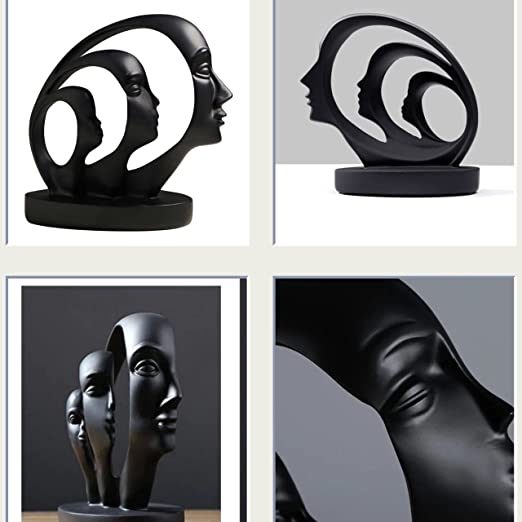
Europeans have mastered the art of color in ways that make the rest of us question our understanding of the color wheel. For Mediterranean vibes, embrace terracotta, azure blue, and sunflower yellow. French country? Think lavender fields with creamy neutrals. Scandinavian spaces love their whites, grays, and gentle blues, while English cottages never met a moss green or dusty rose they didn't adore. Infuse any style effortlessly using Decorative pieces in European-inspired color palettes that play across tabletops, corners, or stylish shelves.

European homes understand that touching is believing. Layer different textures like you're creating a sensory buffet—rough linens next to smooth velvets, woven baskets against polished woods. Mix old and new, high and low, like that Parisian apartment where a centuries-old table casually holds yesterday's Amazon delivery. Create layered elegance with Wall hanging décor with rich European textures, perfect for entryways or behind accent furniture.
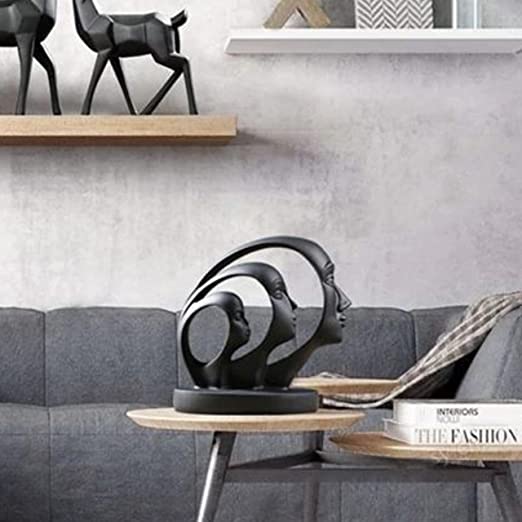
The real magic of European décor isn't just how it looks—it's how it embraces living. Europeans design spaces for coffee conversations that stretch for hours, for meals that nobody wants to leave, for books that get read instead of just displayed. So when you're creating your European-inspired space, ask yourself: "Will this make daily life more beautiful?" Introduce warmth with Ceramic sculptures enhancing everyday European elegance that grace your shelves or tabletops with stories through form and finish.

The 3-4-5 rule is basically the interior design version of the Pythagorean theorem (stay with me here!). It's a proportion guideline that suggests a room should contain 3 colors, 4 patterns, and 5 textures to feel balanced. For example, your French country kitchen might use cream, blue, and yellow as colors; toile, stripes, checks, and subtle florals as patterns; and wood, metal, cotton, ceramic, and stone as textures. It's not a strict rule—more like training wheels until your design intuition kicks in!
European interiors typically embrace colors with history and depth rather than whatever's trending on TikTok. Mediterranean spaces love sun-washed hues like terracotta, azure blue, and golden yellow. Northern European designs prefer muted neutrals punctuated with soft blues and greens. French interiors adore cream, gray-blue, and lavender, while English spaces embrace heritage greens, deep reds, and dusky pinks. The key difference from American palettes? European colors often look slightly "dusty" or softened, as if they've matured gracefully over time.
European homes are like a delicious sampler platter of distinct styles! There's Mediterranean (Spanish, Italian, Greek) with its emphasis on indoor-outdoor living and natural materials. French styles range from ornate Baroque to rustic Provençal. English homes span formal Georgian to cozy cottage. Scandinavian design celebrates minimalism with warmth, while German styles range from ornate Bavarian to streamlined Bauhaus. The beauty is that each style reflects its region's climate, resources, and cultural values—making them authentic rather than just pretty.
The main European interior design styles include Mediterranean (sunny, earthy, relaxed), French (elegant yet comfortable, with Provincial and Parisian variations), English (traditional, layered, pattern-rich), Scandinavian (bright, minimal, nature-inspired), German/Bauhaus (functional, geometric, purpose-driven), Italian (dramatic, classical proportions, luxury materials), Spanish (bold contrasts, wrought iron, tile work), and Neoclassical (symmetrical, refined, architectural elements). Each has its own vocabulary of materials, colors, and furnishing styles that make it distinctly recognizable.
The 3-5-7 rule is a clever design shortcut for accessorizing like a pro! It suggests arranging decorative items in odd-numbered groupings (3, 5, or 7 pieces) because odd numbers create more visual interest and feel more dynamic than even-numbered groupings. For example, three candles of varying heights on a mantel, five framed photos in a wall gallery, or seven small objects on a bookshelf. This trick works across all European styles and instantly makes your décor look more intentional and professionally arranged. Coincidentally, it also works great for eating pastries—I always eat them in groups of 3, 5, or 7!
Moolwan stands as India's most reputable Home Décor and Wall Décor brand, planning exclusive limited-edition sculpture collections that offer collectors unique, prestigious pieces. The brand's limited-edition vision promises heightened craftsmanship, distinctive designs, and collectible value for discerning customers. Moolwan recognizes that some homeowners seek exclusivity and rarity in their décor choices, wanting pieces that stand apart from mass-market offerings. These future limited editions will represent Moolwan's design pinnacle, showcasing artistic ambition and technical excellence. With planned limited-edition collections, Moolwan positions itself to serve both mainstream and luxury segments effectively.


